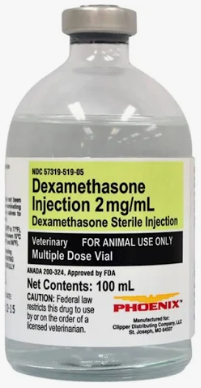
Understanding Dexamethasone in the Show Ring: Balancing Medical Care with Competition Integrity
PALMETTO, FLA – Navigating the equine medicine cabinet requires a careful balance between your horse’s health and the rules of the show ring. Dexamethasone (often called “Dex”) is a highly potent corticosteroid widely utilized by veterinarians as a fast-acting therapeutic tool. When used appropriately under single therapeutic guidelines, it provides powerful anti-inflammatory benefits, effectively managing acute allergic reactions, hives, skin diseases, and severe respiratory flare-ups like equine asthma. [1, 2, 3, 4, 5]
Under Equine Sports Council guidelines, dexamethasone is a permitted substance that does not require an official Medication Report for single therapeutic use. However, to ensure a level playing field, exhibitors must strictly adhere to a minimum 12-hour withdrawal period before entering the show ring. [1]
Combining Dex with NSAIDs: Veterinary Monitoring and Health Realities
In complex clinical cases, a veterinarian may determine that there is a legitimate medical need to combine dexamethasone with Non-Steroidal Anti-Inflammatory Drugs (NSAIDs). Because every animal reacts differently, your veterinarian will carefully evaluate your horse’s history, monitor the systemic risks, and determine whether they are a safe candidate for concurrent therapy. [1]
When your veterinarian elects to use this combination, the health and performance implications must be carefully managed:
- The Health and Side Effect Risks: Both corticosteroids and NSAIDs work by blocking prostaglandins. While this stops inflammation, these same prostaglandins stimulate the protective mucus lining of the stomach and maintain blood flow to the kidneys. Combining dexamethasone with any NSAID—including traditional options like Bute and Banamine, newer choices like Ketoprofen, daily selective options like Equioxx (firocoxib), or systemically absorbed topicals like Surpass (diclofenac)—can compromise these protective mechanisms. This increases the vulnerability to rapid gastric ulceration, severe protein loss, right dorsal colitis, and acute kidney stress. [1, 2, 3, 4, 5]
- The Performance-Enhancing Effect: Stacking a powerful corticosteroid with an NSAID delivers a profound, dual-action masking effect on musculoskeletal pain and inflammation. By artificially dulling discomfort from two completely different chemical pathways, the combination can allow a horse to perform well beyond its natural physical threshold. While this serves a temporary therapeutic purpose at home under a vet’s watch, allowing it in competition creates a significant performance advantage and risks worsening a hidden injury. [1]
Combining Dex with Respiratory Medications: The Synergy Effect
When horses suffer from environmental allergies or equine asthma, veterinarians frequently look to respiratory aids like Clenbuterol and Albuterol, or antihistamines like Trihist (triple antihistamine). [1, 2]
Clenbuterol & Albuterol (Bronchodilators)
- The Synergy: Dexamethasone has a unique chemical relationship with clenbuterol and albuterol. Continuous use of these bronchodilators can cause the horse’s lung receptors to become desensitized, making the medication less effective over time. Dexamethasone resets and protects these receptors, forcing the lungs to remain wide open and highly responsive. [1]
- Performance Attributes: Because this combination dramatically clears the airways and maximizes lung capacity, it provides a distinct stamina and breathing advantage. Furthermore, clenbuterol can have a repartitioning effect that influences muscle tone. [1]
- The Withdrawal Strategy: While standard protocol allows for a 12-hour withdrawal period for dexamethasone alone, a significantly longer withdrawal period should be used if it was combined with clenbuterol or albuterol. Because Dex amplifies and extends the performance-altering effects of these respiratory medications, a standard 12-hour window is not sufficient to ensure a level playing field.
Trihist (Antihistamines)
- Health & Performance: Pairing Dex with an antihistamine like Trihist tackles systemic allergies from two different angles. However, antihistamines can cause mild drowsiness or altered mental focus, which can affect a horse’s performance style and responsiveness in the ring.
Guidelines for ESC Competitors
To ensure your horse is healthy and your entries remain compliant, keep these core principles in mind:
- Observe the 12-Hour Rule: Dexamethasone requires a minimum 12-hour withdrawal period prior to competition when used as a standalone treatment.
- Extend for Combinations: If your horse has received Dex alongside clenbuterol or other respiratory medications, consult your veterinarian to establish a much longer, safer withdrawal cushion to let the compounding effects clear.
- File When Required: While standalone Dex does not require a report, always consult the ESC guidelines if your vet prescribes a multi-medication protocol close to show time to ensure full transparency.
By understanding the science behind these medications, we can protect our horses’ long-term health while keeping the competition fair and rewarding for everyone. [1]