-
ESC Launches Medication Library
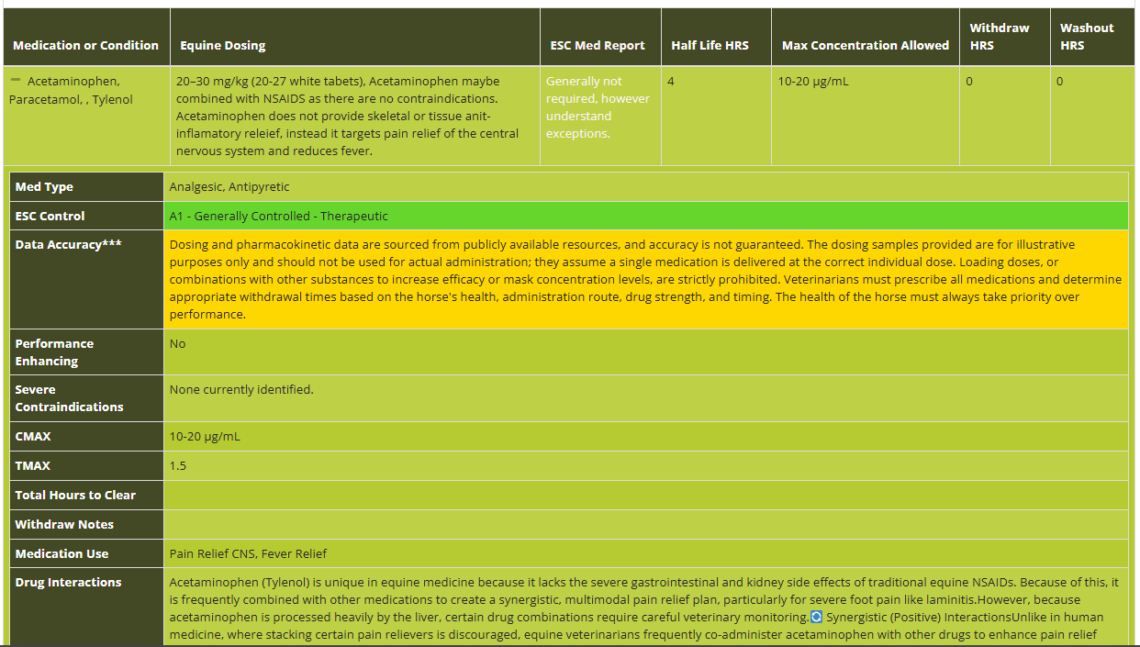
Equine Sports Council introduces a searchable Medication Library that brings medication facts, veterinary cautions, source links, and competition-rule comparisons into one place. For trainers, owners, and veterinarians, a medication question rarely ends with a drug’s name. What is the active ingredient? Which other treatments need to be considered? What does a published concentration mean? And which organization’s rules apply at the next show? The ESC Medication Library helps users find the relevant record and take a better-informed question to their veterinarian. Explore the Medication Library → Search by name or narrow the results with the library’s filters. Click the image to open the live search. Power searching: start with what…
-
ESC Releases Annual Drug Testing Statistics
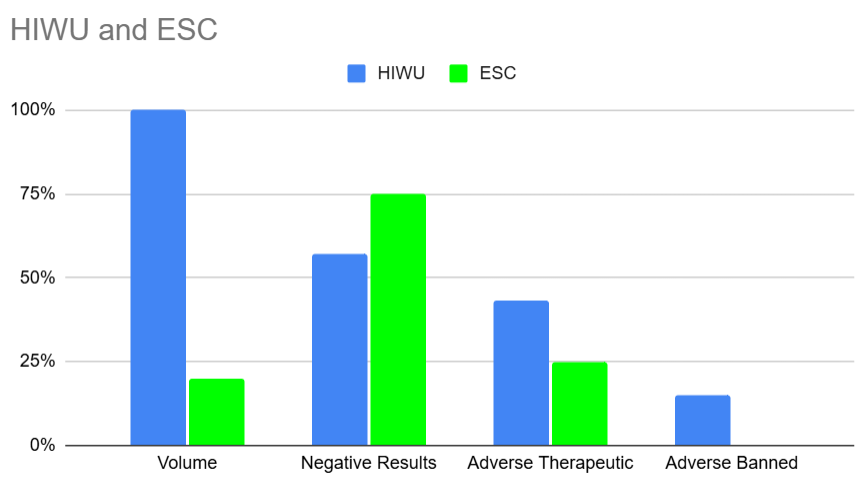
PALMETTO, FLA — Equine Sports Council (ESC) has published its annual drug testing statistics. This data provides full transparency into testing outcomes and ESC’s clinical-based efficacy policy which targets misuse of performance enhancing or banned substances. When a horse show mandates randomized drug testing and collects the associated fee, a licensed ESC equine veterinarian attends the event to collect samples. These samples are secured and delivered directly to an ISO and RMTC accredited laboratory for confirmatory testing. 100% of the fees collected by the show are spent on drug testing for that event. Lab Certification, Technology, and Interpretation ESC partners exclusively with laboratories holding ISO/IEC 17025 certification. This designation confirms…
-
ESC Letter to Veterinarians
COLUMBIANA, ALA – Equine Sports Council (ESC) will perform random drug testing at the Kentucky State Fair World’s Championship and the Mid-America Mane Event Horse Show & National Good Hands Final. To ensure fair competition and to protect equine health, ESC now utilizes advanced AI technology to streamline regulatory checks and compliance screenings. This official notice has been distributed to all ESC-registered, licensed veterinarians. To: ESC Registered Veterinarians FROM: Equine Sports Council RE: Controlled Medication Database Improvements Equine Sports Council’s Controlled Medication Database integrates cutting-edge Artificial Intelligence to improve how trainers, owners and their vets manage the health and welfare of our equine partners in a competition environment. Driven by…
-
ESC Controlled Medication Policy Update
PALMETTO, FLA — Equine Sports Council’s board appointed a three-person Controlled Medications Advisory Council (CMAC) in Q1-2026. This independent panel reviews laboratory reports from random drug testing at major events. ESC remains focused on a common-sense, efficacy approach that allows for therapeutic treatments while keeping the sport clean from performance-enhancing substances. A Quick Reference Guide of frequently prescribed medications is available to help exhibitors, trainers, and veterinarians easily navigate the Controlled Medication policy. CONTROLLED MEDICATIONS | POCKET GUIDE 1. Understanding Lab Result Interpretation ESC utilizes a three person Medical Advisory Council designed to ensure fair, unbiased evaluation of therapeutic concentration levels: 2. Available Therapeutic Options Several supportive therapies can be…
-
Understanding Dexamethasone in the Show Ring: Balancing Medical Care with Competition Integrity
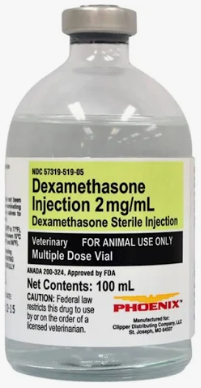
PALMETTO, FLA – Navigating the equine medicine cabinet requires a careful balance between your horse’s health and the rules of the show ring. Dexamethasone (often called “Dex”) is a highly potent corticosteroid widely utilized by veterinarians as a fast-acting therapeutic tool. When used appropriately under single therapeutic guidelines, it provides powerful anti-inflammatory benefits, effectively managing acute allergic reactions, hives, skin diseases, and severe respiratory flare-ups like equine asthma. [1, 2, 3, 4, 5] Under Equine Sports Council guidelines, dexamethasone is a permitted substance that does not require an official Medication Report for single therapeutic use. However, to ensure a level playing field, exhibitors must strictly adhere to a minimum 12-hour…
-
Non-Selective NSAIDs Bute & Banamine: If Combined Pose Health Risks
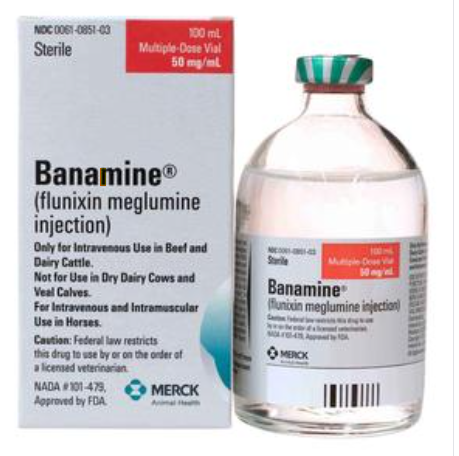
PALMETTO, FLA — For years, horse owners have heard the strict warning: never combine NSAIDs. Yet, the standard medical explanations don’t always click. To understand the severe health complications of mixing Bute (Phenylbutazone) and Banamine (Flunixin), it helps to look at how these drugs actually function—and how they don’t. The Misconception of Performance Enhancement The “Third Cup of Coffee” Danger Why NSAID Combinations Fails the Horse Both Bute and Banamine are non-selective NSAIDs. They chemically function via identical paths within the horse’s system by indiscriminately blocking both COX-1 and COX-2 proteins. When you give these two non-selective drugs together, they don’t provide double the pain relief. Instead, they trigger immediate…
-
Pocket Guide ESC Controlled Medications
Do not use these dosing illustrations to administer medication. Consult your veterinarian. This information is publicly sourced, may contain errors, and must be verified by your veterinarian before use. Corrected edition – October 15, 2026. This guide supersedes the earlier printed version. All 25 medication entries have been reconciled with ESC’s current Medication Library, including dosing illustrations, withdrawal and washout fields. The corrected guide preserves the database’s daily maintenance guidance for Equioxx; loading doses are prohibited. Click medication names in the PDF to open the current records. Use the current library with your veterinarian. The guide is for reference only and does not guarantee clearance or competition eligibility. Open or…
-
Bute or Banamine 6-Hour Withdrawal Allows Half Doses at ESC Sanctioned Events
PALMETTO, FLA — At ESC events, vets may use a half dose of Phenylbutazone or Banamine and utilize a 6-hour withdrawal instead of a 12-hour withdrawal, as with a full dose. This helps horses with sensitive stomachs while keeping drug levels within allowable limits. Bute treats bone and joint pain. Banamine treats soft tissue and organ pain. [1, 2] CONTROLLED MEDICATIONS ESC Event Rules Choosing the Right Medication Important Safety Facts Ask a vet: Always talk to a professional for medical advice. [1] No mixing: Do not give Bute and Banamine together. Combining them causes gut damage and protein loss.
-
Equine Sports Council Launches Industry-First AI Controlled Medications Database to Optimize Therapeutic Timing and Compliance
FOR IMMEDIATE RELEASE Contact:Equine Sports Council Media RelationsEmail: info@EquineSportsCouncil.orgPhone: 1-855-EQUINE1 (855-378-4631)Website: Equine Sports Council CONTROLLED MEDICATONS | MEDICATION REPORT PALMETTO, FLA — Equine Sports Council (ESC) has officially released its next-generation Controlled Medications Database. This platform integrates cutting-edge artificial intelligence (AI) to improve how trainers, owners, and veterinarians manage equine health in competition environments. Driven by a commitment to clear, efficacy-based welfare policies, the new system connects directly to authoritative public medical repositories, including the National Institutes of Health (NIH), to supply the show horse industry with real-time, science-backed research. The cornerstone of this new digital resource is its advanced cross-reference search technology. Rather than relying on guesswork or generalized…
-
Detection Times for Performance Enhancing Substances
PALMETTO, FLA. — Equine Sports Council (ESC) uses a common-sense clinical efficacy approach when sanctioning the use of controlled medications, allowing therapeutic regimens while restricting performance-enhancing substances. Our show horse population averages 12 years of age (equivalent to a 55-year-old human) and deserves to be comfortable while performing their jobs. What are not allowed are substances (or combinations thereof) considered performance-enhancing, such as sedatives, tranquilizers, stimulants, and certain painkillers. [1, 2, 3, 4, 5] At times, it may become medically necessary to treat a horse at an ESC show with a sedative to address an injury or to safely haul them into a competition. In these situations, ESC publishes withdrawal…