-
Bute or Banamine 6-Hour Withdrawal Allows Half Doses at ESC Sanctioned Events
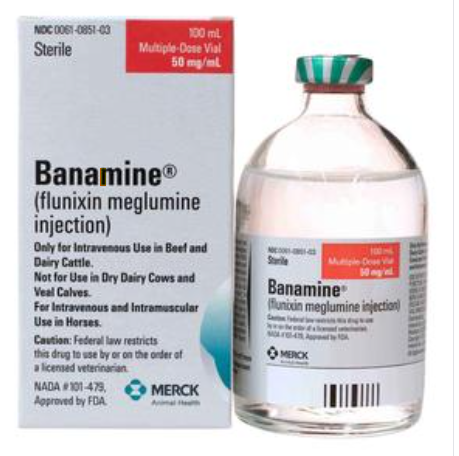
PALMETTO, FLA — At ESC events, vets may use a half dose of Phenylbutazone or Banamine and utilize a 6-hour withdrawal instead of a 12-hour withdrawal, as with a full dose. This helps horses with sensitive stomachs while keeping drug levels within allowable limits. Bute treats bone and joint pain. Banamine treats soft tissue and organ pain. [1, 2] CONTROLLED MEDICATIONS ESC Event Rules Choosing the Right Medication Important Safety Facts Ask a vet: Always talk to a professional for medical advice. [1] No mixing: Do not give Bute and Banamine together. Combining them causes gut damage and protein loss.
-
Equine Sports Council Launches Industry-First AI Controlled Medications Database to Optimize Therapeutic Timing and Compliance
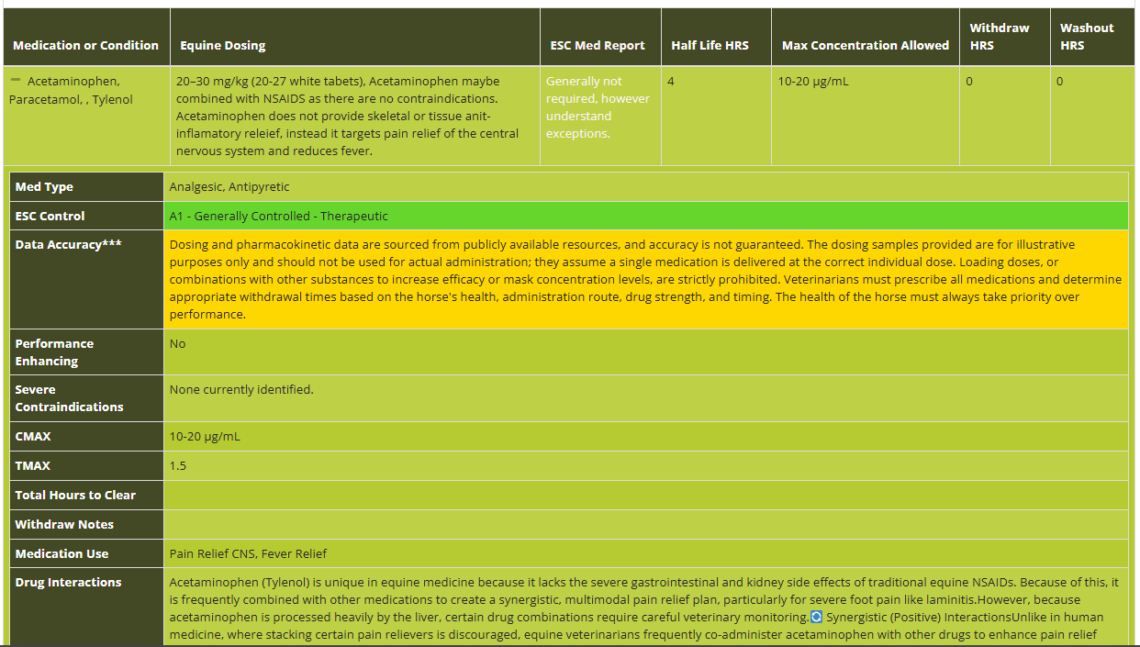
FOR IMMEDIATE RELEASE Contact:Equine Sports Council Media RelationsEmail: info@EquineSportsCouncil.orgPhone: 1-855-EQUINE1 (855-378-4631)Website: Equine Sports Council CONTROLLED MEDICATONS | MEDICATION REPORT PALMETTO, FLA — Equine Sports Council (ESC) has officially released its next-generation Controlled Medications Database. This platform integrates cutting-edge artificial intelligence (AI) to improve how trainers, owners, and veterinarians manage equine health in competition environments. Driven by a commitment to clear, efficacy-based welfare policies, the new system connects directly to authoritative public medical repositories, including the National Institutes of Health (NIH), to supply the show horse industry with real-time, science-backed research. The cornerstone of this new digital resource is its advanced cross-reference search technology. Rather than relying on guesswork or generalized…
-
Detection Times for Performance Enhancing Substances
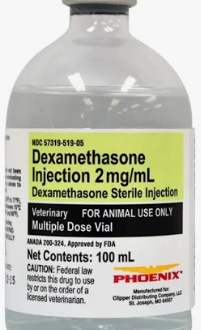
PALMETTO, FLA. — Equine Sports Council (ESC) uses a common-sense clinical efficacy approach when sanctioning the use of controlled medications, allowing therapeutic regimens while restricting performance-enhancing substances. Our show horse population averages 12 years of age (equivalent to a 55-year-old human) and deserves to be comfortable while performing their jobs. What are not allowed are substances (or combinations thereof) considered performance-enhancing, such as sedatives, tranquilizers, stimulants, and certain painkillers. [1, 2, 3, 4, 5] At times, it may become medically necessary to treat a horse at an ESC show with a sedative to address an injury or to safely haul them into a competition. In these situations, ESC publishes withdrawal…
-
ESC Medication Reports
PALMETTO, FLA – Medication Reports are regulatory documents required when horses are treated with controlled medications to help ensure proper dosing and that withdrawal periods are observed. When there is an adverse result from a drug test and a Medication Report has been filed, it establishes the diagnosis, medication, time, and date administered, as well as the route and strength. A Medication Report filed by a licensed veterinarian provides further evidence of professional veterinary diagnosis and administration. You are never wrong to file a Med Report, and it is good practice to do so. MED REPORTS REQUIRED – When an ESC horse show elects for random drug testing to be…
-
ESC’s Certified Officials Council
PALMETTO, FLA. — The Equine Sports Council (ESC), under advisement from its Professional Advisory Council (PAC), has appointed a Chair and Vice Chair to head the ESC Certified Officials Council. Susi Day will serve as Chair and Donna Pettry will serve as Vice Chair. These individuals are well-respected horse professionals who have served in many leadership roles and remain very active in the show horse community. Susi and Donna will personally oversee all activities involved in the education, training, and certification of ESC Certified Judges. Susi Day – ESC Elite Certified Judge 9857908 has over 30 years of professional experience as a trainer and judge in the Saddlebred, Hackney, and…
-
ESC Judge’s Certification begins in January
PALMETTO, FLA – In January, ESC will begin Certifying Judges annually based on their judging experience, overall industry involvement, and ability to demonstrate ongoing personal development. We have researched the number of horse shows judged using Saddle Horse Report’s Judge’s Search data. The levels of certification are as follows: Standard Judge – Individuals with trotting breed experience who have judged less than 10 shows. Standard level applicants will be required to attend an ESC in-person Judges Clinic, or demonstrate that they have attended another recognized governing body’s clinic in the past 5 years. They are qualified to judge ESC events with less than 250 entries. All judges must complete a brief Virtual Webinar…
-
ESC Establishes New Medication Protocols for Upcoming Events
In a continued effort to streamline sanctioning protocols that more effectively align with the needs of the trotting breed show horse industry, Equine Sports Council has refined their equine welfare policy. This common-sense approach allows for continued use of regular therapies while competing at ESC shows, and at the same time implementing new technologies that reduce the need for Medication Reports up to 50%. Based on data collected in 2024, the average age of horses competing in our sport is 12.5 years old. Our equine partners are often stabled on concrete, and unlike the Olympic and Racing industries, our show horses are judged not only on performance, but also on…
-
ESC Implements Drug Policy Changes That Offer Improvements to the Management of Equine Tissue and Joint Inflammation
Effective May 1, 2025, ESC is reducing or eliminating withdrawal times for three anti-inflammatory medications: 1) Phenylbutazone (Bute) and 2) flunixin meglumine (Banamine), which may now be given as a one-time treatment up to 6 hours before competing. When using the 6-hour withdrawal regimen, these medications cannot be combined with a multi-day stacking protocol. Horses may not have received any NSAIDs 36 hours prior. This 6-hour withdrawal regimen without multi-day stacking will offer anti-inflammatory management and reduce stress on the gastrointestinal tract for many horses. Agents or veterinarians may still continue to use the traditional 12-hour withdrawals for these medications if they so desire. Medication forms are NOT required when…
-
USDA Rolls Back 2024 Regulatory Changes as It’s Staff is Reduced by over 5000
The USDA issued a longer pause on the regulatory changes scheduled to take effect February 2, 2024. For the 2025 Show Season there will be NO REGULATORY changes, and no reporting requirements of horse shows or additional inspections. Dr. Aaron Rhyner who attributed riding a horse to the cause of soring has also been reassigned to another position within USDA. Equine Sports Council has been a stakeholder on the American Horse Council Competitions Committee with many other sanctioning and governing bodies participating. A joint letter was recently sent to the USDA Secretary requesting changes to the 2024 USDA Regulatory process. That formal letter is below. Over the past month the…
-
Texas Court Issues Split Decision on 2024 HPA Rule
The Walking Horse Report issued a press release on January 31, 2025 that United States District Court Judge Matthew J. Kacsmary ruled that the USDA’s amendment to the Horse Protection Act scheduled to go into effect February 1, 2025 exceeds their authority and fails to provide due process. According to The Walking Horse Report, Judge Kacsmary ruled: However, the Court found that the provision of the 2024 Rule addressing the abolishment of the DQP (Designated Qualified Person) inspection program did not violate the Regulatory Flexibility Act nor was it deemed arbitrary or capricious. Therefore, the USDA will be permitted to set inspector qualifications and train HPIs (Horse Protection Inspectors) in an effort…